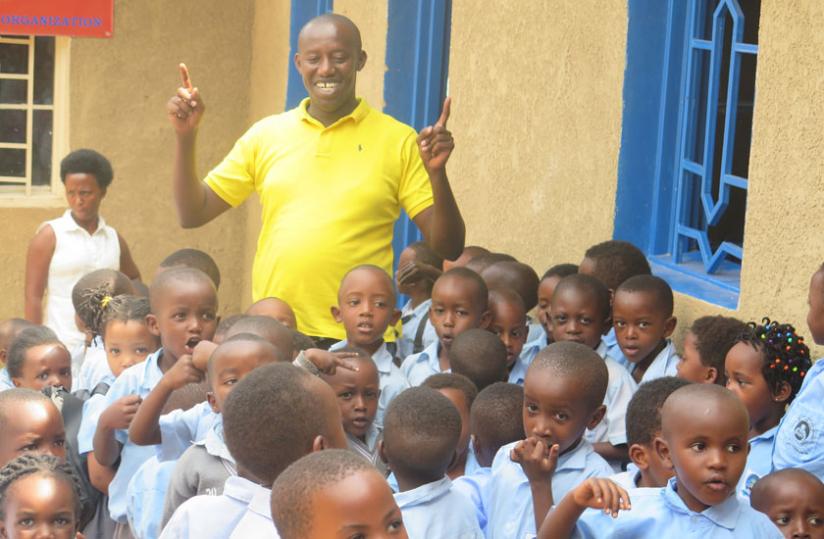
At the Peace and Hope Initiative, our work is rooted in a simple but powerful belief: every child, regardless of their background, deserves access to quality education and the opportunity to build a better future.
Founded in 2012 by genocide survivor Albert Musabyimana, the initiative was created in response to the realities faced by vulnerable children in the Kinyinya Sector of Kigali — many of whom come from families affected by historical exclusion, poverty, and the long-term impact of the 1994 Genocide against the Tutsi.
What began as a small effort supporting 78 children from child-headed households has grown into the Peace and Hope Academy, now providing education and psychosocial support to more than 400 children.
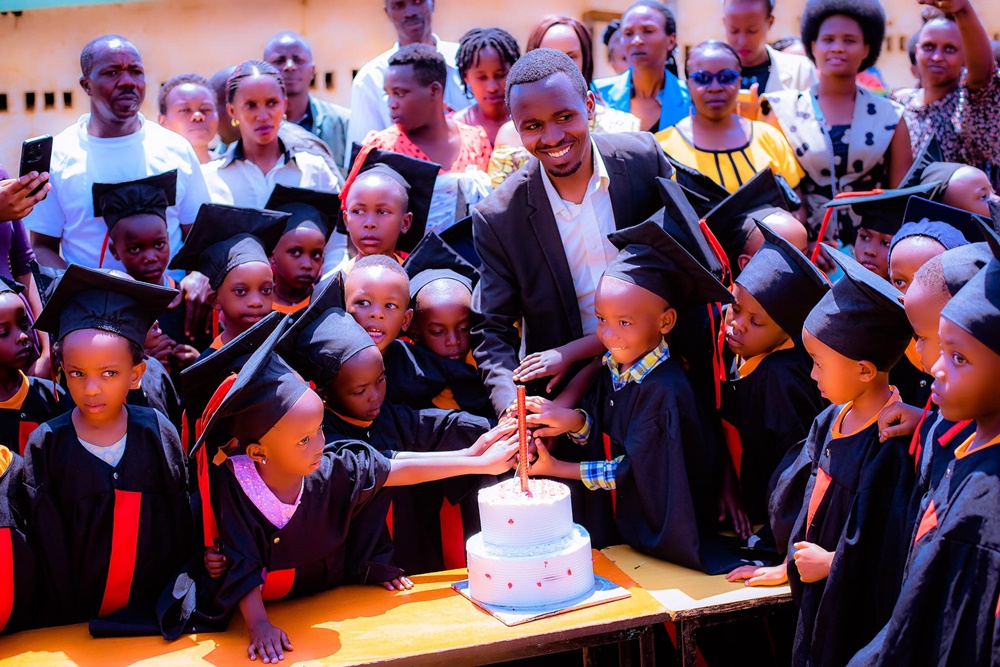
Over the years, the initiative has demonstrated that targeted, community-based education can deliver strong and consistent outcomes. In both the last three academic years, 100% of students from Peace and Hope Academy successfully passed the national primary leaving examinations, achieving top performance compared to surrounding schools. Beyond academic success, the initiative has supported students in progressing to secondary education, helping to break cycles of vulnerability and expand long-term opportunities.
Education is at the core of our work, but lasting impact requires a broader, integrated approach. Through partnerships and community engagement, the initiative has contributed to improved access to clean water for over 300 families, employment opportunities for youth, and economic empowerment for vulnerable groups, including persons with disabilities. This holistic model strengthens not only individual outcomes, but also the resilience and wellbeing of the wider community.
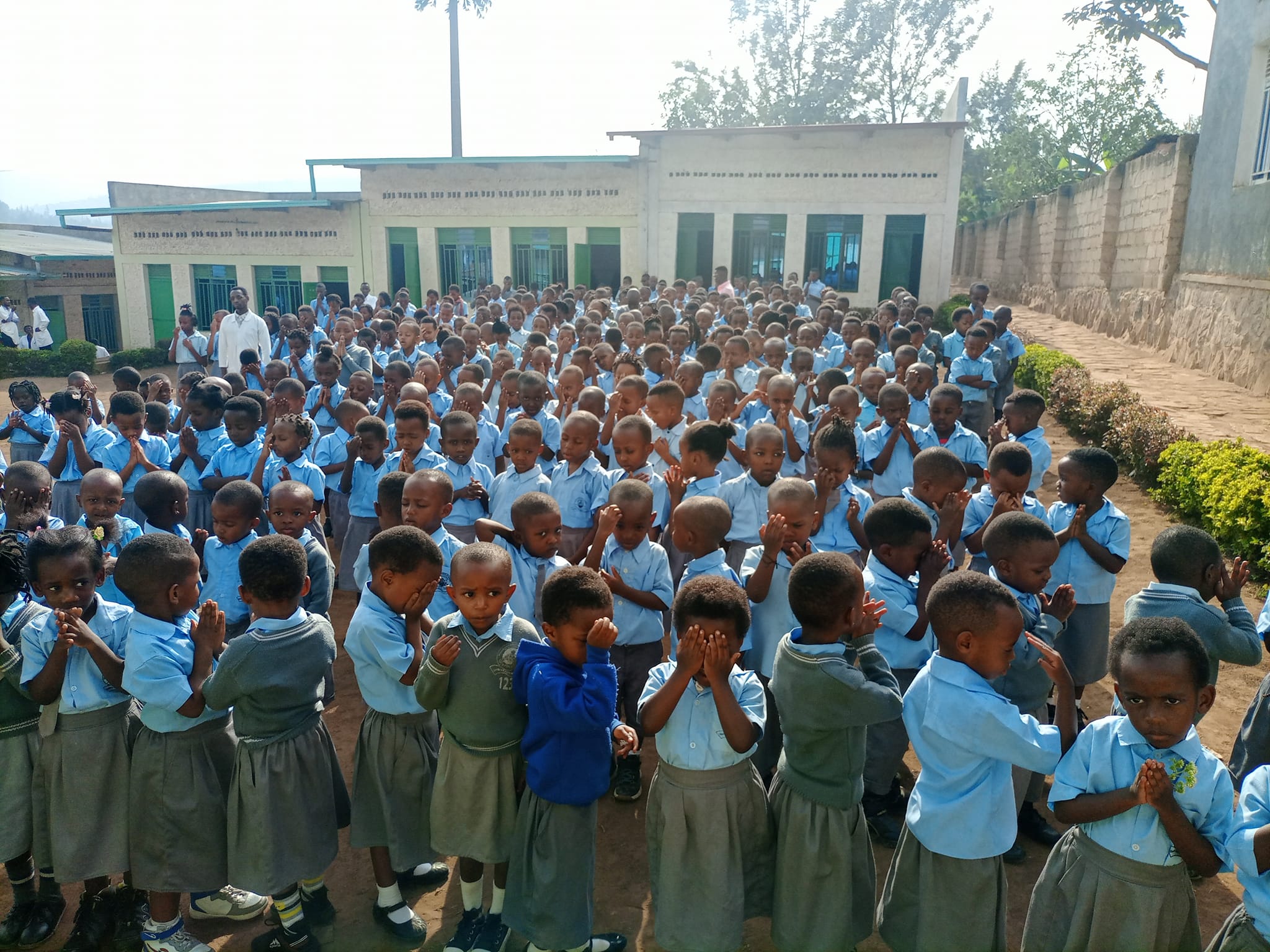
As the impact of the initiative continues to grow, so does the demand for access. Currently, more than 200 vulnerable children remain on a waiting list, unable to enroll due to limited infrastructure and classroom space. This gap highlights both the urgency of the need and the trust that the community places in the initiative.
To respond to this growing demand, the Peace and Hope Initiative has developed a strategic expansion plan: the construction of a modern model school that will increase capacity to serve over 1,000 children by 2030. Land for the expansion has already been secured, demonstrating a strong commitment to growth and long-term impact. The next phase will focus on building additional classrooms, strengthening infrastructure, and recruiting qualified teachers to ensure quality education at scale.
As the initiative enters this next phase, it represents more than a local education project. It is a proven, community-driven model with the potential to deliver scalable impact in education, resilience, and youth empowerment. Through collaboration with partners and stakeholders, the Peace and Hope Initiative aims to expand its reach and continue building pathways for vulnerable children to access quality education and a brighter future.
Partner With Us to Expand Impact
As we work toward expanding the Peace and Hope Academy to serve over 1,000 children by 2030, we are seeking strategic partnerships with organizations, institutions, and individuals who share our commitment to education and community transformation.
Supporting this initiative means investing in a proven model that delivers measurable results in education, youth empowerment, and long-term resilience.
We welcome collaboration in areas such as infrastructure development, teacher support, educational resources, and long-term program partnerships.
Partners and donors can support this vision through direct contributions, institutional partnerships, or strategic collaborations aimed at scaling impact.
For partnership discussions or contributions, please contact:
Email: info@peaceandhopeinitiative.rw
Phone / WhatsApp: +250 788 312 740
Together, we can expand access to quality education and create lasting opportunities for the next generation.